

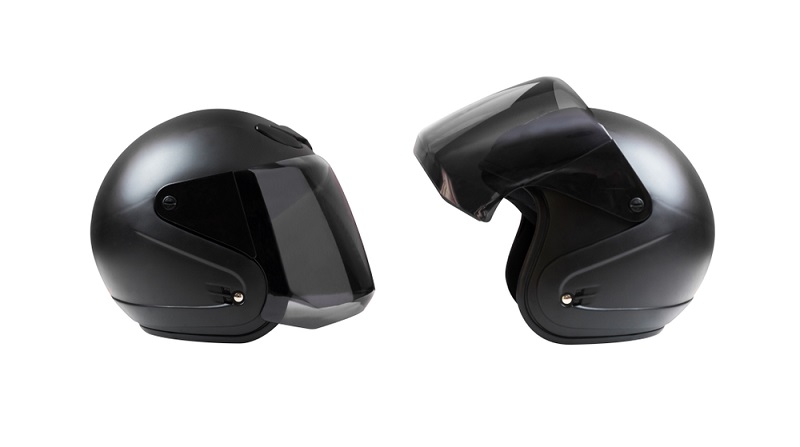
Modular vs. Full-Face Helmets is a topic riders often search for when they want clarity, not confusion. It usually comes up before buying a helmet or switching riding styles. Riders want to know how these helmets differ and what really matters on the road. Questions like the difference between modular and full face helmets and concerns about whether modular helmets are safe are common.
Therefore, in this blog, you will help explain the design, safety, comfort, and real-world use properly.
Every ride starts with a helmet. It does not matter if the ride is short or long. That choice stays with the rider the entire time. On American roads, riders deal with traffic lights, highways, slow lanes, and sudden stops.
Knowing helmet differences helps riders avoid regret later. When the helmet matches riding habits, the ride feels easier. Comfort stays consistent. Focus improves. A clear understanding also removes second thoughts during daily use.
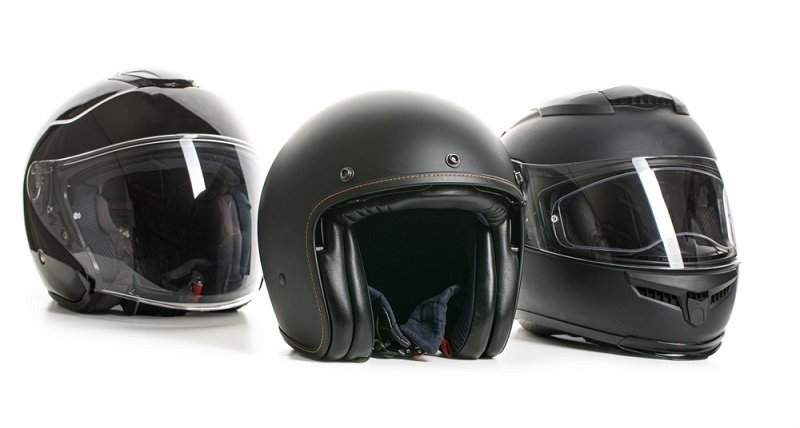
Understanding helmet differences does not need technical language. It only needs real examples from daily riding. This section explains the difference between modular and full face helmets using situations riders experience every day.
A full face helmet stays closed at all times. The chin and face area are always covered. A modular helmet allows the front to lift upward when the rider wants. This one feature changes how riders use the helmet during stops and breaks.
At traffic lights, modular helmet riders can lift the front for air or communication. Full-face helmet riders usually lift the visor or remove the helmet. This difference feels small at first, but becomes noticeable during daily city riding.
Full face helmets often feel lighter because they have fewer moving parts. Modular helmets may feel heavier due to the hinge system. Riders notice this more during long rides or extended commuting hours.
Full face helmets rely on vents for airflow. Modular helmets allow airflow by lifting the front while stopped. This difference affects comfort during hot days and slow-moving traffic.
Safety always comes first, and that is the reason riders often ask, 'Are modular helmets safe for real road use?' The following list will answer this in detail:
Many modular helmets meet safety requirements for public roads. When used as intended, they provide reliable protection for normal riding conditions on city roads and highways.
Safety depends on keeping the front locked while riding. When the locking system is secured, modular helmets protect the face and jaw area during everyday riding situations.
For typical riding speeds and traffic conditions, modular helmets offer dependable protection. They work well when riders follow correct usage and avoid riding with the front lifted.
Safety improves when riders understand their helmet. Knowing when to lift the front and when to lock it helps maintain consistent protection during American road travel.
Each type of helmet has its advantages and disadvantages. Knowledge about the pros and cons of modular helmets will enable the rider to make a proper choice with practical expectations.
You can check below to know the advantages of modular helmets:
Modular helmets enable the rider to quickly lift the front part of the helmet. This is very convenient during short stops, talking, or taking a quick drink without removing the helmet.
Daily commuters prefer modular helmets since stopping frequently becomes easier. The feature of lifting the front part of the helmet makes commuting easier, especially during peak hours.
Talking becomes more convenient with the front part lifted. This is very convenient during brief conversations without compromising comfort.
The following list will help you find out the cons of modular helmets:
Due to the presence of hinges and locks, modular helmets feel slightly heavier. Some riders may experience mild neck strain during long rides.
Riders should always ensure that the front part of the helmet is locked before commencing the journey. Riders who forget this may compromise safety while riding.
Riding with the front part of the helmet open is not safe. Riders should remain cautious and use the flip feature only while stopped.
Must Read: How Augmented Reality Helmets Improve U.S. Rider Safety
Many riders still prefer fixed helmets for their consistency. These full face helmet advantages explain why this helmet type remains popular across the United States.
Full face helmets protect the chin and jaw at all times. There is no need to adjust or lock parts during riding.
The solid design stays stable at highway speeds. Riders feel less helmet movement, which supports focus during long rides.
With fewer openings, wind noise often stays lower. This improves comfort during longer highway travel.
Without moving parts, full face helmets usually feel lighter. This reduces strain during extended riding sessions.
Full face helmets provide the same level of protection from start to finish. Riders do not need to think about usage conditions.
The modular helmet flip up chin bar is often the main reason riders choose this helmet type. This section explains its real value during daily riding.
At red lights, riders can lift the front for quick relief. This makes waiting more comfortable without removing the helmet.
When stopped, lifting the front helps release heat. This improves comfort during warm days and heavy traffic.
The lifted front allows clear speech. Riders do not need to raise their voice during short conversations.
Daily riders enjoy the simple open and close motion. It fits well into repeated stop-and-go riding routines.
Helmet choice depends on riding habits, comfort needs, and safety awareness. Modular vs. Full-Face Helmets both serve clear purposes. When riders understand how each helmet works in daily conditions, they can choose with confidence and ride comfortably on American roads.
The main difference is the movable front on modular helmets, while full-face helmets remain fixed.
Yes, they are safe when the front is locked properly during riding.
Modular helmets are often easier for riders who stop often.
The answer depends on the correct usage of ICH, whether a safer modular or full face mask is often discussed.
This content was created by AI