

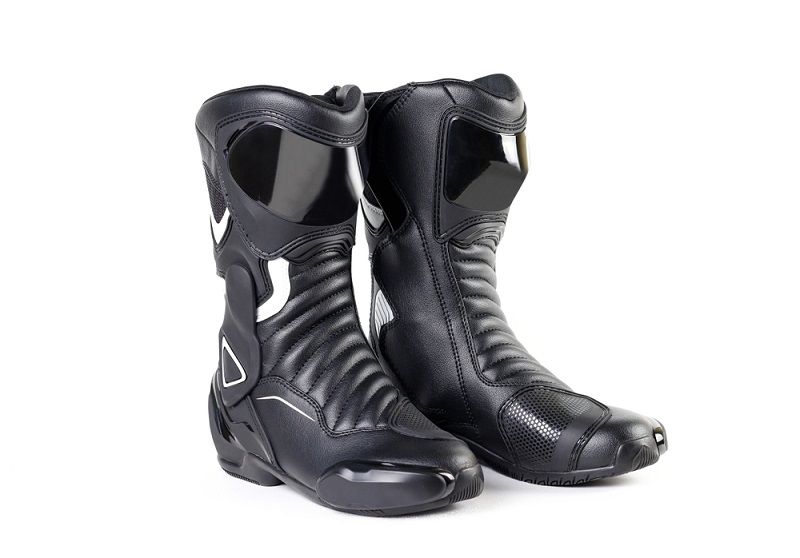
Motorcycle boots are not an accessory. They are safety gear. If you ride regularly and still use casual shoes or work boots, you are taking unnecessary risk. Feet and ankles are some of the most common injury points in motorcycle crashes, and the right boots can reduce both impact damage and long-term injury.
This motorcycle boots buying guide breaks down how to choose the right pair based on protection, fit, and riding use. No marketing talk. Just what actually matters when deciding how to pick safe motorcycle boots.
In a fall or slide, your feet often hit the ground first. Regular shoes collapse under impact. Motorcycle boots are built to:
Most riders focus on helmets and jackets. Boots usually come last. That is a mistake. Choosing the best motorcycle boots starts with understanding what they protect and how they are built.
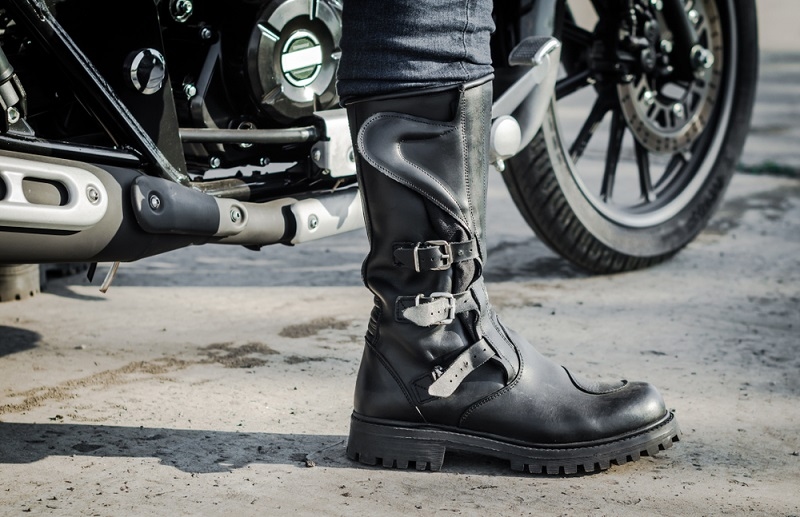
If you want to understand how to choose motorcycle boots properly, safety should come before style or brand.
Look for these non-negotiable elements when evaluating motorcycle boots safety features:
These features are standard in well-designed riding boots. If a boot looks good but skips these basics, it is not meant for real riding.
More to Discover: Helmet Communication System Guide – Upgrade Your Ride Now!
A boot can have every safety feature available and still be useless if it does not fit correctly.
When trying motorcycle boots:
Too tight leads to fatigue. Too loose reduces control and protection. This is a critical part of how to pick safe motorcycle boots and often overlooked.
Boot height directly affects protection level.
If you commute daily or ride highways, mid to tall boots make sense. Short boots work for light urban use but should still include ankle reinforcement.
The best motorcycle boots for safety usually extend above the ankle.
A major mistake riders make is buying boots without matching them to how they ride.
These boots focus on daily comfort with built-in protection.
Designed for hours on the bike and changing conditions.
Built for uneven terrain and standing riding posture.
Focused on performance and maximum impact protection.
Matching riding style is a key step in any motorcycle boots buying guide.
Also check: Ride Smarter with Adjustable Motorcycle Levers Today
Motorcycle boots usually use leather, synthetic materials, or a mix of both.
Material choice affects comfort, durability, and weather handling but does not replace proper safety design.
Weather matters more than most riders expect.
If you ride year round, ignoring weather protection leads to discomfort and distraction. That directly impacts safety.
The best motorcycle boots are the ones you actually wear consistently.
Boot closures affect fit and ease of use.
A loose lace caught on a foot peg is not theoretical. It happens. Choose based on how you ride, not how the boot looks online.
Expensive does not always mean safer. Cheap usually means compromised materials or weak protection.
As a rule:
Focus on motorcycle boots safety features first. Branding comes second.
Even the best motorcycle boots wear out.
Protective gear is not permanent. Boots that no longer support or protect should be replaced.
If you want a simple way to decide:
That process works every time. This is how to pick safe motorcycle boots without falling into marketing traps.
Explore More: Best Waterproof Motorcycle Luggage Picks for U.S. Riders
Motorcycle boots are not optional gear. They are structural protection for your feet and ankles. A solid motorcycle boots buying guide focuses on protection, fit, and real riding needs.
The best motorcycle boots are the ones that keep you safe, stay comfortable during real rides, and hold up when conditions are not ideal. Choose accordingly.
Reinforced toe and heel, ankle support, stiff sole, and abrasion resistant materials are the most important motorcycle boots safety features.
Replace motorcycle boots if the sole separates, ankle support weakens, or after a serious crash, even if damage is not visible.
Short motorcycle boots offer limited protection. They are better than regular shoes but not ideal for highway or long distance riding.
This content was created by AI